



Choosing an OEM glove manufacturer is not only a price comparison. The supplier must translate an application and market requirement into a stable product specification, repeatable production, controlled packaging and a document set that remains tied to the correct model.
A structured evaluation reduces misunderstandings before tooling, sampling or volume production. It also makes quotations easier to compare because each supplier is responding to the same brief.
Start with a written product brief
Define the product family, application, target market and buyer role. Add material, liner, length, sizes, color, surface finish, branding, packaging, quantity and expected delivery plan.
Separate required characteristics from preferences. If a requirement is related to safety or regulation, identify the applicable market and evidence expected before ordering.
Evaluate material and process capability
Ask which coating and liner combinations the factory produces routinely, and which elements require development. A supplier may have broad catalog coverage but different levels of experience across PVC, nitrile, silicone, PU or PVA.
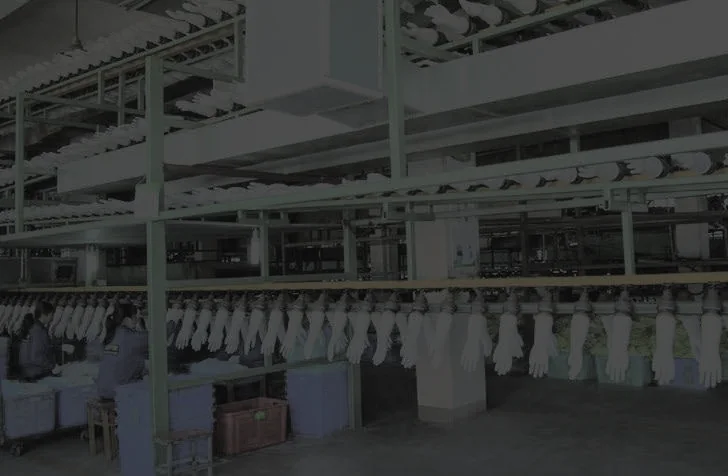
Review the production route relevant to your product, including compound preparation, dipping or coating, curing, finishing, inspection and packing. Focus on controls that affect the specification rather than collecting generic factory photos.
Use sampling as a decision gate
A sample should answer defined questions. Check dimensions, weight where relevant, fit, flexibility, grip, finish, odor, color, marking and packaging. For application trials, record the task and conditions.
Approve a reference sample only after differences are resolved in writing. The purchase specification should not depend on memory or an unlabelled sample.
Check document control
Ask how the supplier links product codes, specifications, test reports, certificates and declarations. Names that appear similar may represent different constructions, and a certificate for one model must not be presented as evidence for another.
Request current revisions and confirm expiry dates, scope, standards and production-conformity requirements. For private-label projects, agree how the responsible economic operator and product markings will be handled.
Define quality and shipment inspection
Agree the inspection plan before production. It may include visual defects, dimensions, color, coating finish, size assortment, marking, packaging, carton information and quantity.
Inspection does not replace laboratory testing or regulatory compliance. It confirms that the shipment matches the approved commercial and product specification within the agreed inspection scope.
Assess communication and change control
A strong supplier should identify open questions, document assumptions and communicate changes before production. Ask who owns the specification, sampling, documents, production follow-up and shipment release.
Changes in material, liner, process, markings or packaging should follow an approval process. Even a change that appears minor can affect fit, performance, compliance or customer acceptance.
- Named project contact
- Written specification and revision history
- Approved sample identification
- Document responsibility
- Change approval process
- Pre-shipment inspection plan
Frequently asked questions
What information should be in an OEM glove RFQ?
Include application, target market, construction, material, liner, length, sizes, color, finish, branding, packaging, quantity, documentation and delivery expectations.
Should buyers approve packaging at the sample stage?
Yes. Packaging affects labeling, barcodes, market information, carton configuration and the final customer experience, so it should be approved before production.
How should a buyer verify a certificate?
Match the exact model and manufacturer, review the scope, standards, dates and issuing body, and request the related current declaration and production-conformity evidence where applicable.
Conclusion
The best OEM evaluation creates traceability from the original brief to the approved sample, production specification, document set and shipment inspection. That traceability is more valuable than a long list of unsupported claims.